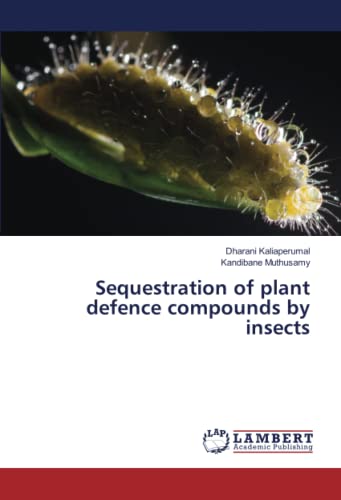
Imagen de Amazon.com
Vista normal
Vista MARC
Sequestration of plant defence compounds by insects Dharani Kaliaperumal, Kandibane Muthusamy
Tipo de material: Libro
impreso(a)
Idioma: Inglés Detalles de publicación: Republic of Moldova Europe LAP LAMBERT Academic Publishing Dharani Kaliaperumal Kandibane Muthusamy c2022Descripción: ii, 44 páginas fotografías 22 centímetrosTipo de contenido:
Libro
impreso(a)
Idioma: Inglés Detalles de publicación: Republic of Moldova Europe LAP LAMBERT Academic Publishing Dharani Kaliaperumal Kandibane Muthusamy c2022Descripción: ii, 44 páginas fotografías 22 centímetrosTipo de contenido: - Texto
- Sin medio
- Volumen
- 6205499029
- 9786205499023
- 595.7154 K3
Inglés
Número de sistema: 64046
| Tipo de ítem | Biblioteca actual | Colección | Signatura topográfica | Estado | Código de barras | |
|---|---|---|---|---|---|---|
| Libros | Biblioteca Tapachula Acervo General (AG) | Acervo General | 595.7154 K3 | Disponible | ECO020014175 |
Bibliografía: páginas 35-44
The growth and reproduction of herbivores is constrained by both plant quality and predation by higher trophic levels. Certain herbivores have found a way out of this quandary by redirecting plant defenses against their own predators: By ingesting and accumulating plant toxins, a phenomenon referred to as sequestration, herbivores may make themselves unattractive or toxic to natural enemies.The resulting transfer of plant toxins across three trophic levels is increasingly recognized as a powerful force that shapes the distribution and abundance of plants, herbivores and predators in natural and agricultural ecosystems. Inglés